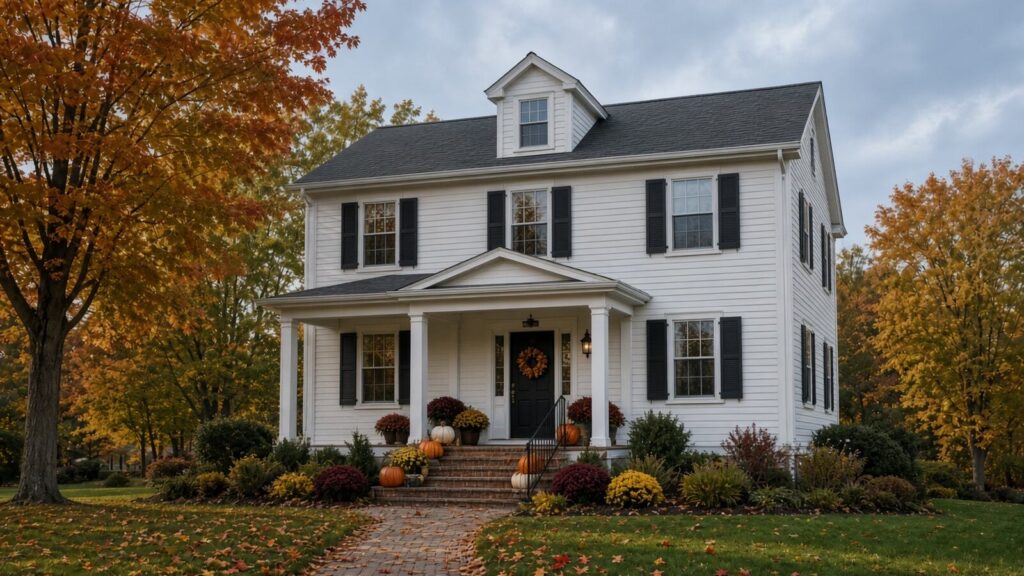
You’re getting your Rhode Island home ready to list, packing boxes while juggling work and weekend showings. It feels like a lot, and the stakes are high. Hiring a real estate agent turns chaos into a plan, so you can handle selling your home with less stress and more certainty.
Here’s the pace you’re up against: recent Statewide MLS reports often show average sale times around 30 to 45 days. The right agent helps you price with confidence, prep smart, and attract serious buyers fast.
Rhode Island has its own twists. Coastal properties bring flood zones, insurance questions, and CRMC considerations, while older homes can trigger unique inspections and disclosures.
With local know-how, you’ll navigate the rules, timing, negotiations, and transactions, making your sale smoother from the start.
Understand the Rhode Island Real Estate Market Before Hiring a Real Estate Agent
Before hiring a real estate agent, get clear on how Rhode Island’s local rules, taxes, and buyer behavior shape your home selling. A strong professional with local market knowledge reads the rhythms of each town, times the market, and prices with precision.
That edge helps you avoid delays, attract the right buyers, and secure stronger offers.

Key Local Factors That Affect Home Sales in RI
Small state, big differences. Your town’s taxes, zoning, and buyer preferences can change pricing and days on market. Programs like RI Housing influence buyer purchasing power and financing options, especially for first-time buyers navigating higher costs.
- Property taxes: Rates vary by town, which affects buyer budgets. Higher taxes can push buyers to negotiate harder or look nearby.
- Zoning and permits: Coastal Resource Management Council (CRMC) rules, floodplain standards, and historic district reviews influence value and timelines. Decks, docks, sheds, and additions may need permits or clear documentation.
- Waterfront demand: Water views and walk-to-beach locations draw premium interest. Insurance costs and flood zones balance that demand.
- Seasonality: Fall often brings serious buyers after summer vacations end. Spring still sees volume, but fall can deliver focused, ready-to-move shoppers.
- Housing stock: Older homes in Providence and the East Bay often have lead-based paint and historic details. Newer builds in northern suburbs can appeal to buyers who want lower maintenance.
Real examples help set expectations:
- Newport and Middletown: Views, marina access, and short-term rental rules influence price. Waterfront condos move fast, but flood insurance costs can trim offers.
- Providence’s East Side: Historic homes with character and school access draw urban buyers. Proper documentation for updates and preserved features supports top dollar.
- Inland suburbs like Cranston or Smithfield: Larger lots and garages attract upsizers. Commuter access and taxes shape final price bands.
Ask your professional for recent comparable sales within one mile, closed in the last 60 to 90 days. Request two sets of comps, one with similar condition and one with similar location but different features. Then match pricing to your home’s upgrades, lot, and risks.
For a quick pulse on trends, study the latest Rhode Island housing market data and pair it with your neighborhood’s reality.
Practical items to prepare:
- Flood zone and insurance quote if near the coast or rivers
- Permit history for major work
- Septic or sewer info, including recent pumping or inspection
- Utility costs and any solar contracts
- HOA or condo docs, if applicable
Why Experience in Rhode Island Gives You an Edge
Choose a professional with at least 5 years of experience selling in Rhode Island. That track record shows they understand town-by-town dynamics and can avoid costly surprises—key agent qualifications for success.
Experienced professionals handle state-specific paperwork smoothly:
- RI Seller’s Disclosure, lead paint forms for pre-1978 homes, and smoke/CO certificate timing
- Septic and well documentation, or sewer tie-in details
- Coastal and flood disclosures, plus CRMC background where relevant
- Historic district approvals and proof of permitted work
A quick story: A seller in Barrington listed a coastal colonial after a summer refresh. The professional, with a decade in the East Bay, priced just under a key search threshold and marketed flood-mitigation upgrades upfront.
They scheduled showings around high tide to showcase the lot, flagged a prior permit that needed a sign-off, and negotiated a credit rather than a price drop. The home drew three offers, and the deal closed on time. Local know-how saved weeks and protected price.
How to spot RI expertise fast:
- Ask for a detailed comp set for your street, plus an absorption rate summary for your price range.
- Request a written pricing strategy that adjusts for seasonality, flood zones, and school calendars.
- Review their list-to-sale price ratio and median days on market for your town.
- Confirm they can explain CRMC basics, smoke/CO inspection timing, and lead paint rules without notes.
- Check their Rhode Island real estate license status and active history. If they cannot speak to it clearly, keep looking.
If you want background on licensing, look at Rhode Island’s agent licensing requirements, as discussed in Becoming a RI Real Estate Agent Today. You do not need to become an expert, but you should know your professional is.
When hiring a real estate agent in Rhode Island, favor proof over promises. Local experience, clean paperwork, and a clear plan for your neighborhood will do more for your sale than any slogan.
Top Qualities to Seek When Hiring a Real Estate Agent To Sell Your Home in Rhode Island
You want top agents who move fast, read the local market, and communicate with clarity. When hiring a real estate agent to sell your home, look for someone who brings structure to showings, strategy to pricing, and calm to negotiations. The right fit helps you get top dollar without wasting time.
Communication Skills That Keep You Informed Throughout the Sale
You should never wonder what is happening with your listing. Strong professionals set expectations on day one, then keep you updated on every showing, offer, and timeline shift.
What this looks like in practice:
- Regular updates: A weekly summary of showings, buyer feedback, and next steps. Quick check-ins after major events, such as an open house or a price improvement.
- Fast response times: In spring, inventory moves. You need same-day responses to showing requests and offers so you do not lose momentum.
- Clear next steps: You get a simple plan for the week, including marketing tasks and target buyers.
Useful tools you can ask for:
- A shared app or dashboard for progress reports that shows feedback and document status.
- Text alerts for new showings and offers, plus a weekly email wrap-up.
- A one-page timeline so you always know what is next.
Interview cue: Ask how they handled communication on a busy spring listing. The best explain their cadence and show examples of updates.
Marketing Strategies Proven to Sell Homes Fast in RI
Your marketing should make buyers stop scrolling and book a showing. Buyers respond to clean visuals, clear floor plans, and easy access to tours.
Non-negotiables for your listing:
- Professional photos with bright, consistent lighting and wide shots of key rooms.
- Virtual staging to help buyers picture furniture and flow in vacant spaces.
- 3D tours or high-quality video for out-of-state buyers who cannot visit right away.
- Floor plans so people can see the layout at a glance.
- MLS exposure through the RI Association of REALTORS® with complete fields, strong captions, and accurate location tags.
Smart online reach:
- Syndication to Zillow and Realtor.com, plus targeted social ads that reach Providence, Warwick, South County, and Boston-area buyers who often shop RI for home buying.
- Property landing pages and profiles with strong engagement history.
- Email blasts to local buyer agents with clear feature highlights, like walk-to-beach or new systems.
How to vet their marketing:
- Review three of their recent listings that match your price point and town type.
- Look for strong photography, clear headlines, and consistent days on market.
- Ask for average listing views and how they improve traffic after week one.
Negotiation Expertise to Maximize Your Home’s Value
A skilled professional protects your price and your timeline. They know how to counter, when to hold, and how to keep buyers engaged without giving away value.
What great negotiation looks like:
- Framing value: Spotlight location drivers like ocean proximity, walkability, or school access. Flag upgrades that reduce risk, like a new roof or updated systems.
- Smart counters: Respond to low offers with terms that work for you, such as higher deposits, faster timelines, or appraisal gap coverage. Use inspection credits, not blanket price cuts.
- Multiple-offer strategy: Set offer deadlines, request best-and-final terms, and compare net proceeds after commission, not just price.
How to check their track record:
- Ask for their list-to-sale price ratio and median days on market in your town.
- Look at how often they needed price reductions and how they recovered momentum.
- Review closed sales similar to your home type, such as coastal condos or older colonials.
Rapport matters. Buyers respond to those who are firm yet fair. When they build cooperative relationships, you get smoother inspections, cleaner repairs, and better final terms in transactions.
During the interview, notice how they listen, explain next steps, and handle pushback. If they can do that with you, they can do it with a buyer’s agent under pressure.
Questions to Ask and Mistakes to Avoid When Hiring a Real Estate Agent To Sell Your Home
When interviewing agents in Rhode Island, you want one who understands local rules, pricing, and buyer patterns. Choosing an agent who fits your needs starts with a strong interview process.
Use the questions below to compare agents, and watch for red flags that cost time and money when hiring a real estate agent.
Essential Questions for Your Agent Interview in Rhode Island
Ask clear, targeted questions. Then listen for data, examples, and local knowledge, not vague promises.
- How many RI homes have you sold in the last year, and in my town?
- Why it matters: Local sales show active knowledge of pricing, timing, and buyer expectations. Town-by-town skills in Rhode Island can swing your days on market and final price.
- What is your strategy for my neighborhood and price range?
- Why it matters: You need a plan for your street, school district, and buyer pool. Look for a pricing ladder, launch timing, and a plan to refresh interest after week one.
- How will you handle inspections for an older home?
- Why it matters: Many Rhode Island homes were built before 1978. You want a plan for lead-based paint, outdated electrical systems, septic or well issues, and smoke/CO certificates. Strong agents head off surprises with disclosures, permits, and pre-list checks.
- Can you show your list-to-sale price ratio and median days on market for similar homes?
- Why it matters: These numbers prove results. If they beat the area average, you gain speed and price protection.
- What is your marketing plan in the first 7, 14, and 30 days?
- Why it matters: Early momentum drives traffic. Expect professional photos, video or 3D, floor plans, MLS syndication, and targeted ads to local and Boston-area buyers.
- How do you manage coastal or flood zone concerns, CRMC, and insurance questions?
- Why it matters: Coastal rules and flood costs can spook buyers. You want clear disclosures, insurance quotes, and value framing that keeps offers strong.
- How do you communicate during the sale, and who is my day-to-day contact?
- Why it matters: Smooth updates reduce stress. Ask for weekly reports, same-day responses, and a simple timeline from list to closing.
If you want more insight on what top agents do well, review the qualities of top real estate agents in Rhode Island. It helps you spot real skill in your interviews.
Red Flags to Watch Out For in Potential Agents

- Vague answers or no data
- If they cannot cite comps, ratios, or a timeline, expect guesswork and price cuts later.
- Pressure to sign quickly
- A pushy pitch often hides a weak plan, including unclear agent fees. Take time to compare proposals and call references.
- Part-time availability
- Rhode Island inventory moves fast in peak seasons. Full-time agents respond to showings, feedback, and offers in real time. Part-timers often miss windows that cost you money.
- Overpromising on price without support
- A high list price sounds nice until your home sits, especially when you factor in realtor fees. A pro shows comps, absorption rates, and a price band that attracts real buyers.
- Thin online presence or poor listing photos
- Look at their recent listings. If the photos, captions, and days on market do not meet your standards, expect the same for your home.
- Weak reviews or no local references
- Read client reviews from sellers in your town. Call two client references. Ask how communication, pricing, and negotiation went.
- Unclear license status
- Verify credentials with the Rhode Island Department of Business Regulation. Confirm their active REALTOR® license and any disciplinary history.
For a sense of how strong agents think and communicate, you can skim the traits it takes to be an effective agent in RI. Use that lens when you review proposals.
Action steps to find your ideal agent:
- Build a shortlist of three agents with recent sales in your town.
- Verify their license with the Rhode Island Department of Business Regulation.
- Interview each with the questions above, and request a written plan.
- Compare list-to-sale ratios, days on market, and marketing samples.
- Call two seller references and ask how the agent handled problems.
- Choose the agent with the clearest plan, the strongest track record, and the best communication fit.
Frequently Asked Questions About Hiring a Real Estate Agent in Rhode Island
Ask how many homes they have sold in your specific town or neighborhood in the last year, and request recent comparable sales within 1 mile. Statewide volume is less useful than local track record.
Ask about their list-to-sale price ratio and median days on market for similar homes, their marketing plan for the first 7–30 days, how they handle older homes (lead paint, septic, smoke/CO certificates), and how they communicate during the sale.
Watch for vague answers with no data or comps, pressure to sign quickly, part-time availability during peak seasons, overpromising on price without support, and weak listing photos or marketing samples.
Rhode Island has unique rules around coastal properties (CRMC and flood zones), older homes (lead paint disclosures), and town-by-town differences in taxes, zoning, and buyer demand. An agent who knows these details can help avoid delays and protect your price.
Recent Statewide MLS data often shows average sale times around 30 to 45 days, though this varies by town, price range, condition, and season. A strong local agent helps you price correctly and attract serious buyers faster.
Full-time agents are usually better able to respond quickly to showings and offers, especially during peak seasons when inventory moves. Part-time agents can miss time-sensitive windows that affect your sale.
Conclusion: Hiring A Real Estate Agent To Sell Your Home
Hiring a real estate agent in Rhode Island comes down to proof, not promises. Choose someone with local experience, clear communication, strong marketing, and confident negotiation, and you set yourself up for a smooth sale.
You can move from stress to a clear plan, with pricing you trust and timelines you can hit. Reach out to a trusted local expert at REMAX Preferred in North Providence, Town & Country in Cumberland, or Properties in Smithfield.
Explore their seller resources alongside RI Housing options for first-time homebuyers, including financing assistance and down payment support, to map your next steps today and attract ready buyers. Make a smart choice now, and your closing will feel simple and on time.
Content may have been created with AI help and was reviewed and edited by our office.