
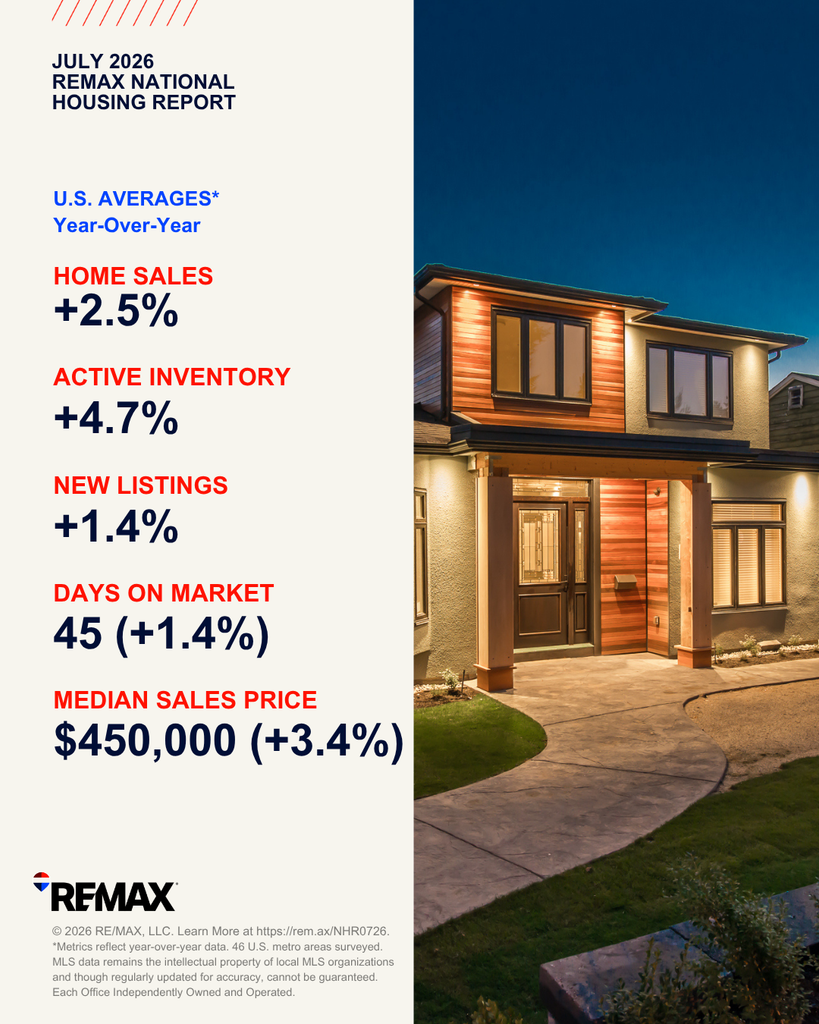
Housing inventory is still tight. Nationally, NAR reported 1.54 million existing homes for sale in July; slightly lower than June and a bit below a year ago, equal to only 4.6 months of supply. In Rhode Island, the picture is even tighter, with roughly two months of supply in recent Redfin data.
When fewer homes are listed, buyers compete, prices stay firm, and timelines change. That can be good for sellers and listing agents. It can also make the job harder for buyer’s agents and stretch out searches. Here’s what the latest numbers mean and how to use them with clients.
What Are Housing Inventory Levels?
Housing inventory is the number of homes available for sale at a given time. The figure agents watch most is months of supply: how long it would take to sell the current listings at the current sales pace.
- Under ~4–5 months: seller’s market (fewer choices, more competition, stronger prices)
- Around 5–6 months: more balanced
- Higher: buyers gain leverage
Low inventory doesn’t just mean “not many houses.” It changes bidding, days on market, and how you set expectations.
Understanding housing inventory levels is crucial for anyone involved in real estate, whether you’re a homeowner, a realtor, or an investor. Let’s break it down.

The Definition and Significance of Housing Inventory Levels
Housing inventory level refers to the number of homes available for sale in a given market at any given time. This metric is commonly measured by tracking how many months it would take to sell all houses on the market at the current sales pace.
The term “months of inventory” is a popular one you’ll hear, and it essentially indicates the market’s balance.
Why does this matter? Well, inventory levels directly impact home prices and market activity.
When inventory levels are low, there aren’t many homes to choose from, which often leads to bidding wars, driving that drive prices up. Conversely, high inventory levels mean more choices for buyers and can lead to price reductions.
For real estate professionals, understanding these levels helps in advising clients accurately. For instance:
- Sellers benefit from low inventory as it can lead to higher sale prices.
- Buyers benefit from high inventory levels, as they give them more negotiating power.
- Realtors can strategize marketing efforts and set realistic expectations for clients based on these trends.
Current Trends (August 2026)
National
- July inventory: 1.54 million units, 4.6 months of supply (NAR).
- Growth that built up in 2024–25 has stalled. July was slightly down month-over-month and year-over-year.
- Pending home sales fell 2.3% from June and 2.2% from a year earlier as mortgage rates hit their 2026 highs. The West and South cooled more than the Northeast.
Northeast & Rhode Island
- Northeast pending sales: −2.0% month-over-month, −0.2% year-over-year.
- Rhode Island remains supply-constrained. Listings have edged up from last year’s lows, but months of supply are still well below a balanced market. Well-priced homes in desirable towns still move quickly.
Why it matters: High rates are slowing contract signings even while inventory stays limited. That’s a “tight but slower” market: sellers still have an edge in many RI neighborhoods, but fewer buyers are stretching, and fewer deals are going under contract with multiple offers.
As a realtor, keeping an eye on these statistics can help you provide better advice to your clients.
Source for the pending-sales figures: NAR July 2026 Pending Home Sales.
Impact of Lower Inventory Levels on Realtors
When housing inventory levels decline, realtors face both opportunities and challenges. Understanding these impacts can help realtors navigate the market better and serve their clients more effectively.
Opportunities
- Stronger listing conversations: sellers have less competition and more pricing power when inventory is thin.
- Faster, cleaner deals on well-priced homes, especially in coastal and in-demand RI towns.
- Chance to be the local expert who explains why a house that looks “average” can still draw multiple offers.
- Buyer clients need more guidance, more off-market hunting, and more realistic offer strategy, work that builds referrals.
Challenges
- Fewer listings to show. Buyer clients get frustrated; you have to work harder on coming-soon, pocket, and new-construction options.
- Higher rates mean some buyers walk even when they like the house. Inventory being low doesn’t automatically mean every listing sells over ask.
- Pricing discipline matters more. Overpriced homes in a tight-but-slow market can sit while the well-priced ones disappear.
How This Affects Sellers vs. Buyers
Sellers: Low inventory still favors you if the home is priced to the current market, not last year’s peak. Expect fewer lookers than in 2021–22, but also fewer competing listings. Presentation and timing still matter.
Buyers: You have more options than at the pandemic bottom, but Rhode Island is not a buyer’s market. Be pre-approved, move quickly on the right house, and don’t assume every seller will negotiate. The extra inventory that showed up earlier this year has not flipped the state to 5–6 months of supply.
What to Tell Clients Right Now
- National 4.6 months of supply is still seller-leaning; RI is tighter than that.
- Pending sales just dropped because of rates, not because a flood of listings appeared.
- Local data beats national headlines—Providence, Warwick, Newport, and South County can behave differently in the same month.
- For sellers: price to the market you have today. For buyers: have a plan for a thin selection, not a warehouse of choices.
Strategies for Realtors in a Changing Market
Even when inventory stays tight, the market keeps shifting. Higher rates, fewer pending sales, and still-limited choices mean realtors have to stay proactive. It’s not just about reacting, it’s about helping clients navigate a thin selection and building relationships that last beyond a single transaction.
Marketing Unique Features
With fewer homes on the market, every listing has to stand out. Highlight what makes the property different so it doesn’t get lost among the limited options.
- High-Quality Photos and Video: Professional photography and videography still matter. Strong visuals help a listing attract attention even when buyer traffic is slower.
- Virtual Tours: Offer virtual tours so out-of-area or busy buyers can experience the home before scheduling an in-person visit.
- Detailed Descriptions: Write clear, benefit-focused descriptions that spotlight unique features: view, kitchen, yard, location, instead of generic room lists.
- Social Media Promotion: Share short videos, reels, and stories that show the lifestyle the home offers. Consistent posting keeps the listing visible while inventory remains low.
By focusing on what makes each property special, you help both sellers and buyers move faster in a tight market.
Building Stronger Client Relationships
Tight inventory puts more pressure on communication and trust. Clients need clear guidance and realistic expectations.
- Constant Communication: Keep sellers and buyers updated with regular calls, emails, or texts so they know what’s happening and why.
- Personalized Service: Understand each client’s specific needs and timeline. Tailor your approach instead of using a one-size-fits-all script.
- Educational Resources: Share simple market updates, rate explanations, and local inventory numbers so clients feel informed rather than surprised.
- Client Appreciation: Small gestures (thank-you notes, check-ins after closing, holiday cards) turn one transaction into long-term referrals.
Strong relationships aren’t just good for the current deal , they create repeat business and referrals even when the market is competitive and inventory is limited.
Looking Ahead: Future of Housing Inventory Levels
Understanding what may come next helps both realtors and homeowners plan. The past few years showed how quickly conditions can change. Here are the key factors still shaping inventory in 2026 and beyond.
Economic Factors Influencing Inventory
- Interest Rates: Higher rates have slowed pending sales and kept some buyers on the sidelines. If rates ease, demand could pick up quickly against still-limited supply.
- Employment & Income: Steady jobs support demand, but affordability remains a hurdle. Stronger wage growth or lower rates would put more pressure on the existing inventory.
- Inflation & Building Costs: Higher construction and material costs discourage new building, which keeps overall inventory constrained longer than many expected.
These pieces of the puzzle will determine whether inventory stays tight or slowly loosens.
In Rhode Island and the Northeast, the shortage remains more pronounced than the national average, so local data will continue to matter more than national headlines.
Conclusion: Navigating a Still-Tight Market
Housing inventory remains constrained in August 2026. Nationally, NAR’s July numbers showed 1.54 million existing homes for sale, just 4.6 months of supply, and pending sales slipped as rates stayed elevated. In Rhode Island and much of the Northeast, the shortage is even more pronounced. Listings have edged up from last year’s lows, but we are nowhere near a balanced market.
For sellers and listing agents, that still means pricing power and less competition, provided the home is priced to today’s market rather than last year’s peak. For buyers and buyer’s agents, it means fewer choices, the need for strong preparation, and realistic expectations about negotiation room.
The realtors who will do best are the ones who stay current with local data, communicate clearly, and help clients understand that “more inventory than the pandemic bottom” is not the same as “plenty of options.” Keep watching months of supply, pending sales, and local absorption rates. Markets can shift, but right now the edge still belongs to the side with the fewer homes.
Whether you’re advising a seller, guiding a buyer, or managing your own pipeline, the message is the same: inventory is still low. Plan and price accordingly.
Disclosure: This REMAX blog post has some sections that were drafted with AI tools and carefully reviewed/edited by me.