In the unpredictable world of the real estate housing market, slow times are inevitable. But what should a real estate agent do during these periods? The answer is simple – use this time wisely to plan, learn, and grow.
In this blog post, I’ll explore a list of useful actions that every real estate agent can take to make the most out of the slow times in the real estate market of 2026.
This guide lists high-return tasks you can do during slow months to build a pipeline.
Estimated reading time: 11 minutes
Key Takeaways
- During slow periods in the real estate market, agents should focus on community visibility, skill development, and client follow-up to protect the future pipeline.
- Local volunteering, networking events, and membership in real estate organizations help agents stay top of mind and generate referrals.
- Continuing education, conferences, and new certifications improve market knowledge and strengthen agent credibility.
- A stronger online presence comes from a mobile-friendly website, consistent social content, and helpful blog posts that answer buyer and seller questions.
- Niche focus (first-time homebuyers, luxury properties, relocation services) helps agents stand out and attract targeted leads during slow months.
What to Do During Slow Times in Real Estate (Checklist)
Here are some ideas for you:
- Community involvement
- Learning new tactics, etc.
- Build online presence
- Reach out to past clients
- Get active in niches
Stay Active In The Community During Slow Real Estate Housing Markets
To stay productive and maintain visibility during slow periods, real estate agents should actively engage with their local community. By participating in community events and organizations, agents can build connections, enhance their reputation, and potentially attract new clients.
Here are some effective ways to stay active:
Volunteer for Local Events
One way to stay active in the community is by volunteering for local events. By offering your time and skills, you not only contribute to your community’s betterment but also create networking opportunities.
Consider participating in:
- Charity drives
- Fundraisers
- Community clean-up campaigns
Volunteering not only showcases your commitment to the community. It also allows you to meet and interact with potential clients and fellow professionals.
Attend Networking Events in the Real Estate Housing Market
Networking events provide a platform for real estate agents to connect with other industry professionals and potential clients. Research and attend local business networking events, chamber of commerce meetings, or industry conferences.
By actively participating and engaging in conversations, you can establish yourself as a trusted resource. You will increase your chances of gaining referrals or finding new leads.
Join Local Organizations During Slow Real Estate Housing Markets
Another way to stay active in the community is to join local real estate organizations or other professional associations. These organizations often hold regular meetings, seminars, and workshops where you can learn and share insights with like-minded individuals.
Additionally, membership in such organizations enhances your professional credibility. It helps you stay up to date with the latest trends and practices in your industry.
Focus On Professional Development
In slow times, it’s crucial for real estate agents to focus on professional development. It will help you to stay ahead of the competition and enhance your skills. By investing in continuous learning and expanding your knowledge base, you can position yourself as a trusted expert and attract more clients.
Here are three ways to focus on professional development:
1. Take Continuing Education Courses
Continuing education courses offer valuable insights into industry trends, regulations, and best practices. By enrolling in these courses, real estate agents can stay informed. As well as acquiring new knowledge that can be applied in their day-to-day work.
Explore courses offered by reputable real estate organizations, such as the National Association of Realtors (NAR), to ensure you’re learning from trusted sources. You will stay up to date with the latest industry developments. Furthermore, you’ll want to be sure you understand the code of ethics.
2. Attend Real Estate Conferences
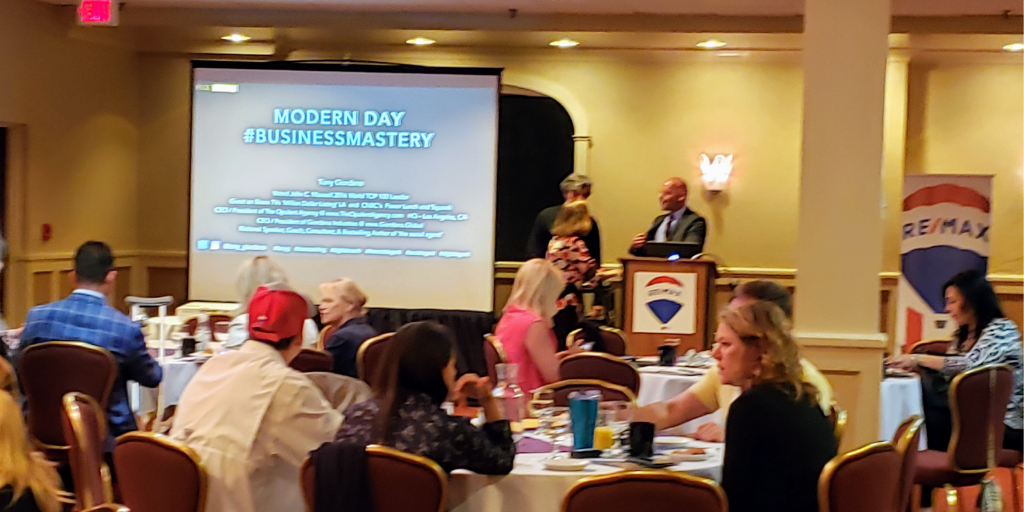
Real estate conferences provide excellent networking opportunities and a chance to learn from industry leaders. By attending these events, you can gain valuable insights, discover innovative strategies, and connect with other professionals in the field.
Look for conferences that focus on topics relevant to your niche or areas you want to improve upon. Take advantage of workshops, panel discussions, and keynote speeches to absorb as much knowledge as possible.
For example, RE/MAX affiliates from around the world will gather at the brand’s flagship event in February of 2026.
3. Expand Your Skill Set During Slow Real Estate Housing Markets
To thrive in a competitive real estate market, it’s essential to continuously expand your skill set. Consider acquiring additional certifications or licenses that complement your existing expertise. For example, if you primarily work with residential properties, you could explore becoming a certified real estate appraiser or obtaining a property management license.
By diversifying your skill set, you can offer a wider range of services to clients and increase your marketability.
Remember, professional development is an ongoing journey. Embrace the opportunity to learn, adapt, and grow as a real estate agent.
By investing in your own development, you position yourself as a trusted resource for clients, ultimately boosting your success in the industry.
Enhance Your Online Presence
In real estate, having a strong online presence is crucial, especially during slow periods. In this section, we’ll explore some effective strategies that can help you enhance your online presence and attract potential clients.
1. Update Your Website
Your website is often the first impression potential clients have of you, so it’s important to make it count. Start by giving it a fresh look with modern design elements and clean navigation.
Ensure that your website is mobile-friendly, as many people now use their smartphones to browse the internet.
Provide valuable information about the local real estate market, including tips for buyers and sellers. Include high-quality images of your listings and make it easy for visitors to contact you.
Regularly update your website with new content, such as testimonials or success stories, to build credibility and keep visitors engaged.
2. Create Engaging Social Media Content
Social media platforms offer a great opportunity to connect with potential clients and showcase your expertise. Develop a social media strategy that aligns with your target audience.
- Share compelling content
- Property listings
- Market updates
- Home staging tips
- A client story
Engage with your followers by responding to comments and messages promptly. Encourage them to share your content with their network by offering incentives or running contests.
Finally, remember to use relevant hashtags and geotags to expand your reach and attract local prospects.
3. Start a Real Estate Blog
A blog is an excellent way to establish yourself as a knowledgeable real estate professional. Share useful tips, industry insights, and neighborhood highlights to position yourself as an expert in your area. Write in a friendly and approachable tone, using personal pronouns to connect with your readers.
Next, optimize your blog posts with relevant keywords to improve search engine visibility. Include high-quality images and infographics to make your content visually appealing.
Then, encourage readers to leave comments and engage in conversations, creating a sense of community on your blog. What should a real estate agent do during slow times?
Build Relationships With Past Clients During Slow Real Estate Housing Markets
To thrive as a real estate agent during slow times, it is crucial to focus on building and maintaining relationships with past clients. By keeping in touch and showing your appreciation, you can increase the likelihood of repeat business and referrals.
Here are some effective strategies to accomplish this:
1. Send Personalized Follow-Up Emails
After closing a deal, it’s important to follow up with your clients to show that you care about their satisfaction. Sending personalized follow-up emails that express gratitude and ask for feedback not only helps you maintain a positive relationship but also provides an opportunity to address any concerns they may have.
By being attentive and responsive, you can leave a lasting impression and foster trust.
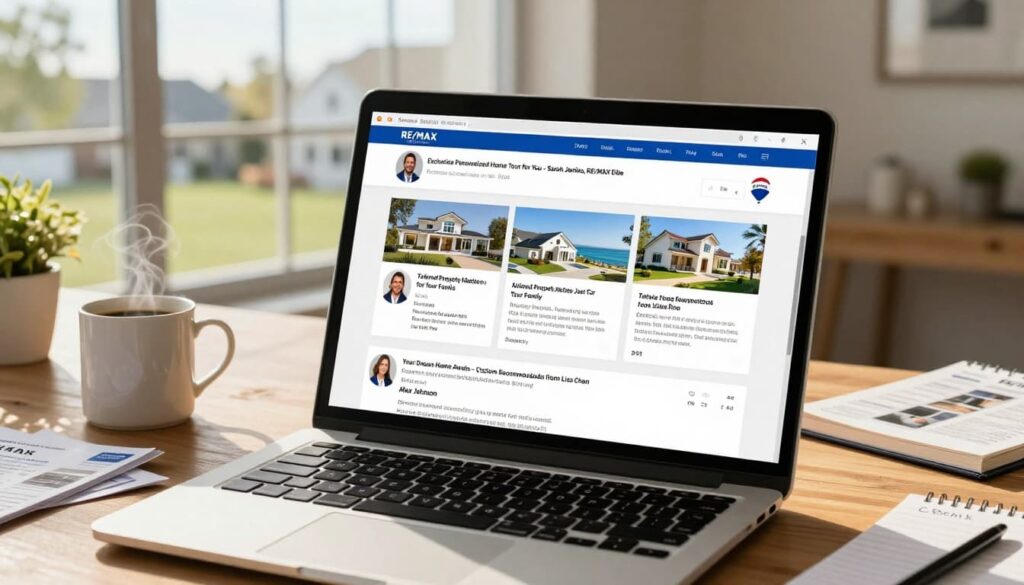
2. Offer Referral Incentives For Real Estate Housing Market Leads
One of the most powerful ways to generate new leads is through referrals. Consider offering incentives to past clients who refer friends, family, or colleagues to you.
However, this could be offered as a discount on their next transaction. Or maybe a gift card, or even a small cash reward.
By rewarding your clients for their loyalty, you encourage them to actively promote your services and expand your network.
3. Organize Client Appreciation Events
Show your clients that you value their business by organizing client appreciation events. This could be a small gathering at your office, a cocktail party, or even a community event.
Providing past clients with an opportunity to reconnect with you and network with others not only strengthens relationships but also helps you stay top-of-mind when they or someone they know needs real estate services.
To sum up, during slow times, real estate agents should prioritize building relationships with past clients. By sending personalized follow-up emails, offering referral incentives, and organizing client appreciation events, you can solidify your connections and increase the chances of repeat business and referrals.
Explore Niche Markets
To thrive as a real estate agent during slow times, it’s crucial to explore niche markets. By targeting specific market segments, you can position yourself as an expert in those areas and attract clients actively seeking your specialized services.
In this section, we will discuss three niche markets that you can tap into to maximize your success.
1. Target First-Time Homebuyers
One niche market that holds immense potential is first-time homebuyers. Many individuals and couples are eager to make their first real estate purchase, but they often lack the knowledge and guidance required to navigate the process successfully.
By positioning yourself as an agent who specializes in helping first-time homebuyers, you can offer the expertise and support they need.
When targeting first-time homebuyers, focus on creating educational content that addresses their common concerns and questions. Write blog posts that explain the steps involved in buying a home, offer tips for saving for a down payment, and provide guidance on finding the right mortgage.
By establishing yourself as a trusted resource, you can attract first-time homebuyers and build long-term relationships with them.

2. Specialize in Luxury Properties
If you want to elevate your real estate business and tap into a high-end clientele, specializing in luxury properties is a lucrative niche market to explore. Luxury buyers and sellers have unique needs and expectations, and they are willing to pay a premium for exceptional service and exquisite properties.
To establish yourself as a go-to agent for luxury properties, showcase your expertise through beautifully designed property listings, high-quality photographs, and detailed descriptions.
Create a portfolio of luxury properties you’ve worked with in the past and highlight your success in closing high-value transactions.
Additionally, attend high-profile events and network with influential individuals in the luxury real estate market to expand your reach and build a strong reputation.
3. Focus on Relocation Services
Relocation is another niche market worth considering, especially if you live in an area with a high influx of people moving for work or personal reasons. Many individuals and families require assistance when relocating to a new city or state, and as a real estate agent specializing in relocation services, you can provide valuable support.
To attract clients seeking relocation services, create content that highlights the benefits of moving to your area. Showcase the local amenities, schools, job opportunities, and community events that make your location desirable.
Offer personalized relocation packages that include assistance with finding a new home, coordinating the moving process, and providing information about the new area.
By positioning yourself as a relocation expert, you can build a strong referral network and attract clients who need your specialized services.
Conclusion: Real Estate Housing Market Slows, Get Moving!
Real estate agents can take advantage of slow times by implementing a few key strategies to boost their productivity and stay ahead in the industry. Firstly, focusing on networking and building strong relationships with clients and colleagues can lead to valuable referrals and new business opportunities.
Secondly, investing time in professional development by attending industry conferences and workshops can enhance knowledge and skills, ultimately benefiting the agent’s career growth. Additionally, utilizing social media platforms and online marketing techniques can help agents reach a wider audience and generate leads.
Lastly, taking the time to evaluate and improve one’s own business processes and strategies can lead to increased efficiency and success. By implementing these strategies, real estate agents can effectively navigate slow periods and set themselves up for long-term success.
Frequently Asked Questions About Slow Times in the Real Estate Housing Market
Use slow periods to plan and build future business. Focus on community networking, professional development, website and social updates, and consistent follow-up with past clients to generate referrals and repeat deals.
Stay visible and useful. Attend local networking events, volunteer in the community, publish market updates and buyer or seller tips online, and ask past clients for referrals (with a clear, compliant incentive if allowed in your area).
Start with the basics that drive trust and conversions: a mobile-friendly website with clear contact options, fresh local-market content, active social profiles that highlight listings and offer advice, and a blog that answers common buyer and seller questions.
Take continuing education courses, attend industry conferences, and earn certifications that align with your services (for example, property management or appraisal, if it fits your business). These steps sharpen skills and improve how you advise clients.
First-time homebuyers, luxury properties, and relocation services are strong options. Each niche rewards agents who publish clear educational content and build a repeatable process for that buyer type.