
Real estate has long been a popular career choice for those looking to enter a dynamic and potentially lucrative industry. But as we are in 2026, the landscape of this profession is evolving rapidly. Is real estate a good career path in the coming years?
In this blog post, I will examine the current state of the real estate market and explore the challenges and opportunities professionals in this field may encounter. By examining key trends and projections, we aim to provide valuable insights for those considering or already pursuing a career in real estate.
Join us as we unravel the nuances of the real estate industry and discover the potential pathways to success in this ever-changing realm.
Whether you are a seasoned real estate agent or a newcomer to the field, understanding market dynamics is pivotal for navigating the fast-paced world of real estate in 2026 and beyond.
Estimated reading time: 12 minutes
Key Takeaways
- The real estate market is evolving rapidly in 2026, influenced by technological advancements and shifting consumer preferences.
- Emerging markets like the Southwestern U.S. present opportunities, while professionals must adapt to changing demands for versatility and sustainability.
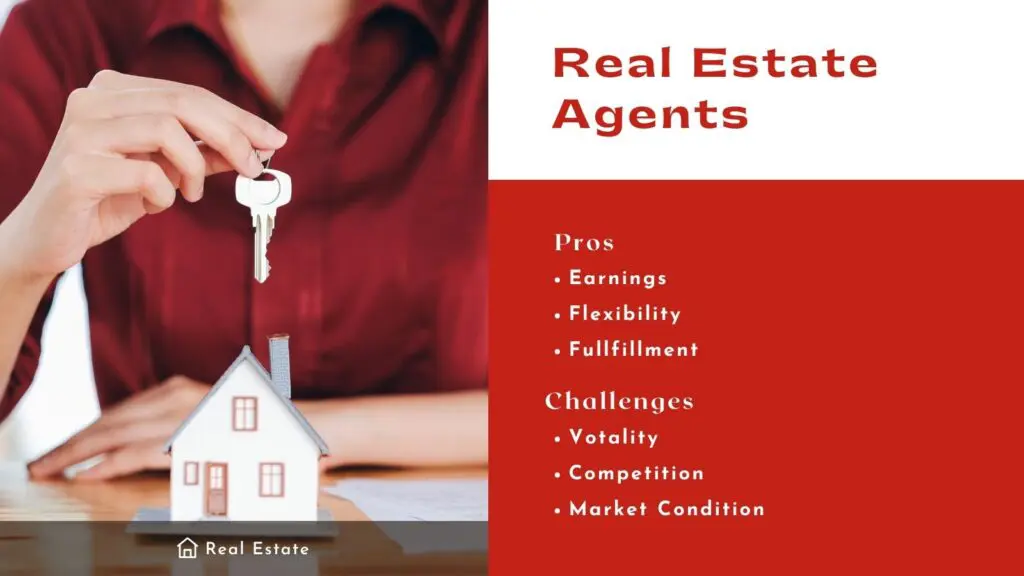
- Real estate careers offer potential earnings, flexibility, and personal fulfillment, but also face challenges such as market volatility and competition.
- Key skills for success include negotiation, communication, adaptability, and market awareness, alongside necessary education and licensing.
- Overall, pursuing a career in real estate remains promising for those willing to embrace innovation and change.
Current State of the Real Estate Industry
The real estate industry in 2026 is experiencing a dynamic shift, shaped by factors influencing market trends.
Market Analysis of the Real Estate Sector
Property sales and prices have seen significant fluctuations over the past few years, with market stability a critical concern for both buyers and sellers.
As of January, the real estate market continues to demonstrate resilience amid economic uncertainties. That is with a steady increase in property sales across various regions.
Technological Innovation Impact
The integration of technology, such as Artificial Intelligence (AI) and virtual tours, has revolutionized the way real estate transactions are conducted. AI-powered tools now enable real estate agents to analyze market data more efficiently. Therefore, it provides valuable insights into pricing strategies and investment opportunities.
Virtual tours offer potential buyers a seamless way to explore properties from the comfort of their homes, enhancing the overall buying experience.
Therefore, the real estate industry in 20265 blends traditional practices with cutting-edge technological advancements. It is shaping a market that continues to evolve and adapt to the changing landscape.
Future Projections for Real Estate Career Paths
As we look ahead to the future of real estate careers, it’s essential to consider the factors shaping the industry landscape. Anticipating the trends and developments can guide aspiring professionals on where opportunities may lie in the coming years.
Emerging Real Estate Markets
Exploring emerging real estate markets is crucial for those considering a career in the industry. Regions such as the Southwestern United States, where urbanization is on the rise, present exciting opportunities for real estate expansion.
The influx of new residents into cities like Phoenix and Austin is driving demand for housing and commercial properties, making these areas prime for investment and career growth.
However, other areas, such as the Northeast and those with more older people today, offer more opportunities for home sales in the near future.
Shifts in Consumer Preferences
Consumer preferences play a significant role in shaping the real estate market, influencing which properties are in demand and how transactions are conducted.
With the rise of remote work and the desire for more flexible living spaces, there is a shift towards properties that offer versatility. Not only that, but amenities that cater to buyers’ changing lifestyle needs.
Moreover, sustainability and eco-consciousness are becoming increasingly important to consumers, influencing their real estate choices. Professionals who can navigate these changing preferences and offer innovative solutions stand to thrive in the evolving real estate landscape.
By staying abreast of emerging markets and understanding evolving consumer preferences, individuals pursuing a career in real estate can position themselves for success in 2026 and beyond.
The ability to adapt to these shifts and leverage emerging opportunities will be key to unlocking the full potential of a career in this dynamic industry.
Challenges and Advantages of Real Estate as a Career
Real estate is a dynamic field with a blend of challenges and advantages that professionals navigate daily. Let’s explore the pros and cons of pursuing a career in real estate.
Advantages of a Real Estate Career:
- Potential Earnings: One of the most attractive aspects of a real estate career is the potential for high earnings. Successful real estate agents can earn substantial commissions, especially in thriving markets.
- Flexibility: Real estate offers the flexibility to set your own schedule and manage your workload. This flexibility allows professionals to balance work commitments with personal obligations effectively.
- Personal Fulfillment: Helping clients find their dream homes or guiding them through important investment decisions can be incredibly rewarding. Real estate professionals have the opportunity to make a positive impact on people’s lives.
Challenges Faced in the Real Estate Industry:
- Market Volatility: Real estate markets are subject to fluctuations that affect property values and demand. Professionals in this field must adapt to market changes quickly to remain competitive.
- Competition: The real estate industry is highly competitive, with numerous agents vying for clients and properties. Staying ahead in a competitive market requires strategic planning and exceptional customer service.
- Economic Factors: Economic conditions, such as interest rates, employment levels, and local market trends, influence the real estate industry. Professionals need to stay informed about economic factors that can affect their business decisions.
However, professionals must navigate challenges like market volatility, competition, and economic factors to thrive in this dynamic industry.
Skills and Qualities Needed for Success
In the ever-changing world of real estate, certain skills and qualities are essential to thrive in this competitive field. Let’s explore the key attributes that can pave the way for success in a real estate career path.
Negotiation and Communication Skills
Effective negotiation and communication skills are the lifeblood of a successful real estate agent. The ability to negotiate deals, navigate conflicts, and communicate effectively with clients and other stakeholders can make a significant difference in closing a sale.
A skilled negotiator can secure favorable terms for their clients while maintaining professional relationships with all parties involved. Clear and concise communication is crucial. It ensures that everyone is on the same page, creating trust and understanding in real estate transactions.
Is Real Estate A Good Career Today? You Need Adaptability and Market Awareness
The real estate market is constantly evolving. It is influenced by various factors such as economic trends, regulatory changes, and shifting consumer preferences. To excel in this dynamic environment, real estate professionals must possess a high degree of adaptability and market awareness.
Being adaptable allows agents to adjust to changing market conditions and client needs swiftly. Staying informed about market trends, competition, and emerging technologies, such as AI,I which enables real estate professionals to offer valuable insights to their clients
Educational and Licensing Requirements
Embarking on a career in real estate requires a blend of education and licensing to navigate the dynamic industry landscape effectively. You will also need to know about Article 16, the Code of Ethics for Realtors.
From acquiring the necessary knowledge through real estate courses and certifications to understanding the licensing process and regulations, here are the requirements.
Real Estate Courses and Certifications
For individuals looking to kickstart their real estate journey, enrolling in relevant courses and earning certifications can lay a solid foundation for success. Here are some recommended courses and certifications to consider:
- Real Estate Principles: This fundamental course provides an overview of real estate principles and practices, covering topics such as property ownership, contracts, financing, and more.
- Real Estate Agent License Exam Prep: A comprehensive exam preparation course can equip you with the knowledge and skills needed to pass the real estate agent licensing exam with confidence.
- Specialized Certifications: Depending on your area of interest in real estate, pursuing certifications in property management, real estate investment, or commercial real estate can enhance your expertise and credibility in the field.
By investing in continuous learning and skill development through these courses and certifications, aspiring real estate professionals can position themselves for a successful career path in the industry.
Licensing Process and Regulations
Navigating the licensing process is a crucial step towards becoming a licensed real estate professional. Here is an overview of the steps involved in obtaining a real estate license and the regulatory framework to be aware of:
- Pre-Licensing Education: Before applying for a real estate license, candidates are typically required to complete a certain number of pre-licensing education hours. These courses cover essential topics such as real estate laws, ethics, contracts, and more.
- Licensing Exam: Once the pre-licensing education requirements are met, candidates must pass a licensing exam administered by the state real estate board. The exam evaluates the candidate’s knowledge of real estate principles and practices.
- License Application: After successfully passing the licensing exam, candidates can submit their license application to the state real estate board. It is essential to ensure all necessary documentation and fees are included in the application for processing.
- Continuing Education: To maintain an active real estate license, professionals are often required to complete continuing education courses at regular intervals. These courses help professionals stay up to date on industry trends, regulations, and best practices.
Understanding the licensing process and staying compliant with regulatory frameworks is key. It helps aspiring real estate professionals to operate ethically and effectively in the real estate market.
Conclusion: Is Real Estate A Good Career Choice?
Real estate remains a promising career path in 2026 and beyond. The ever-evolving market demands adaptable professionals who can navigate challenges with resilience and creativity.
However, as technology shapes the industry, those who stay informed and agile will find opportunities for growth and success. By focusing on building strong relationships and leveraging digital and AI tools, real estate professionals can thrive in a competitive landscape.
In conclusion, pursuing a career in real estate can be a fulfilling and lucrative choice for those willing to embrace change and innovation.

If you are ready to get started with a real estate career in Rhode Island, contact Richard Zompa today. He has 6 RE/MAX offices throughout Rhode Island for your convenience.
Frequently Asked Questions About Choosing Real Estate as a Career (Pay, Lifestyle, and Long-Term Fit)
It can be, but the flexibility isn’t always on your terms. You can set your calendar, yet your clients’ schedules often decide when you work. Nights, weekends, and last-minute showings are common, especially when you’re building your pipeline.
If you need a true 9-to-5 structure, real estate may feel unpredictable.
In most cases, you’re paid by commission, not a salary. That means your income depends on closings, and closings depend on consistent lead flow, follow-up, and time.
A few things to plan for:
•You may wait weeks or months between signing a client and receiving a paycheck.
•Your brokerage may take a split, and you’ll also pay fees and taxes.
•You’ll want a cash buffer, so slow months don’t derail you.
Your income range is wide because it’s tied to your market, price points, conversion rate, and costs. Some agents earn modest part-time income, others build high-income businesses with teams and repeat clients.
What’s reliable is this: your effort doesn’t equal instant pay, it equals future opportunity. If you like business-building and can handle uneven cash flow, your upside is higher than many jobs.
Real estate can be rewarding, but it’s not “easy money.” Common challenges include:
Inconsistent income: You can work hard and still miss your closing timeline. High responsibility: Contracts, deadlines, and client emotions are real pressure. Constant lead work: If you stop prospecting, your future income drops. Client-driven schedule: You’ll often work when others are off.
If you hate sales or you need steady paychecks, this path can feel stressful.
You don’t need a pushy sales style, but you do need comfort with the basics of sales. That includes asking for the business, following up, handling objections, and talking about money without getting awkward.
What helps more than slick persuasion:
•Clear communication
•Fast response times
•Strong local knowledge
•A steady habit of asking for referrals
If you can guide people and stay consistent, you can grow.
It depends on your state’s licensing rules, your course pace, and how quickly you pass the exam. After licensing, you still need time to build momentum, learn contracts, and find clients.
A realistic expectation is that your first year is heavy on learning and lead generation, even if you’re motivated and well-trained.
Real estate has start-up and ongoing costs, and you’ll usually pay them before you see steady income. Expenses vary by area and brokerage, but often include licensing, association dues, MLS access, brokerage fees, insurance (if required), marketing, and basic tools like a CRM.
A simple way to think about it: you’re starting a small business, so budget like one.
Yes, but your value has to go beyond unlocking doors and sending links. Buyers and sellers can find homes online, but they still need help with pricing, negotiation, timing, inspections, repairs, financing steps, appraisal issues, and managing risk.
If you focus on being a calm, organized guide, you stay relevant. If you rely on outdated tactics, it’s harder to stand out.
Look at your tolerance for three things: uncertainty, rejection, and self-direction. Real estate tends to fit you if you can stay steady when deals fall apart, keep relationships warm over time, and work without someone checking your hours.
A quick self-check:
•You’re okay starting with a smaller income while you build.
•You can follow up without taking “no” personally.
•You like helping people make big choices, and you’re willing to learn fast.